Engineering Interactive LED Floors for Commercial Spaces
Executive Summary: Floor LED displays (interactive LED dance floors and ground video tiles) are heavy-duty, direct-view modular screens engineered to withstand foot traffic, vehicle loads, and liquid exposure. Equipped with reinforced die-cast aluminum chassis supporting 1,500 to 2,500 kg per square meter, wear-resistant non-slip polycarbonate masks, IP65 ingress protection, and optical radar (LiDAR) multi-touch tracking, floor LED displays transform commercial spaces into immersive interactive environments. This streamlined engineering guide evaluates core structural criteria, optical sensing technologies, sub-floor installation hardware, and project procurement budgeting. |
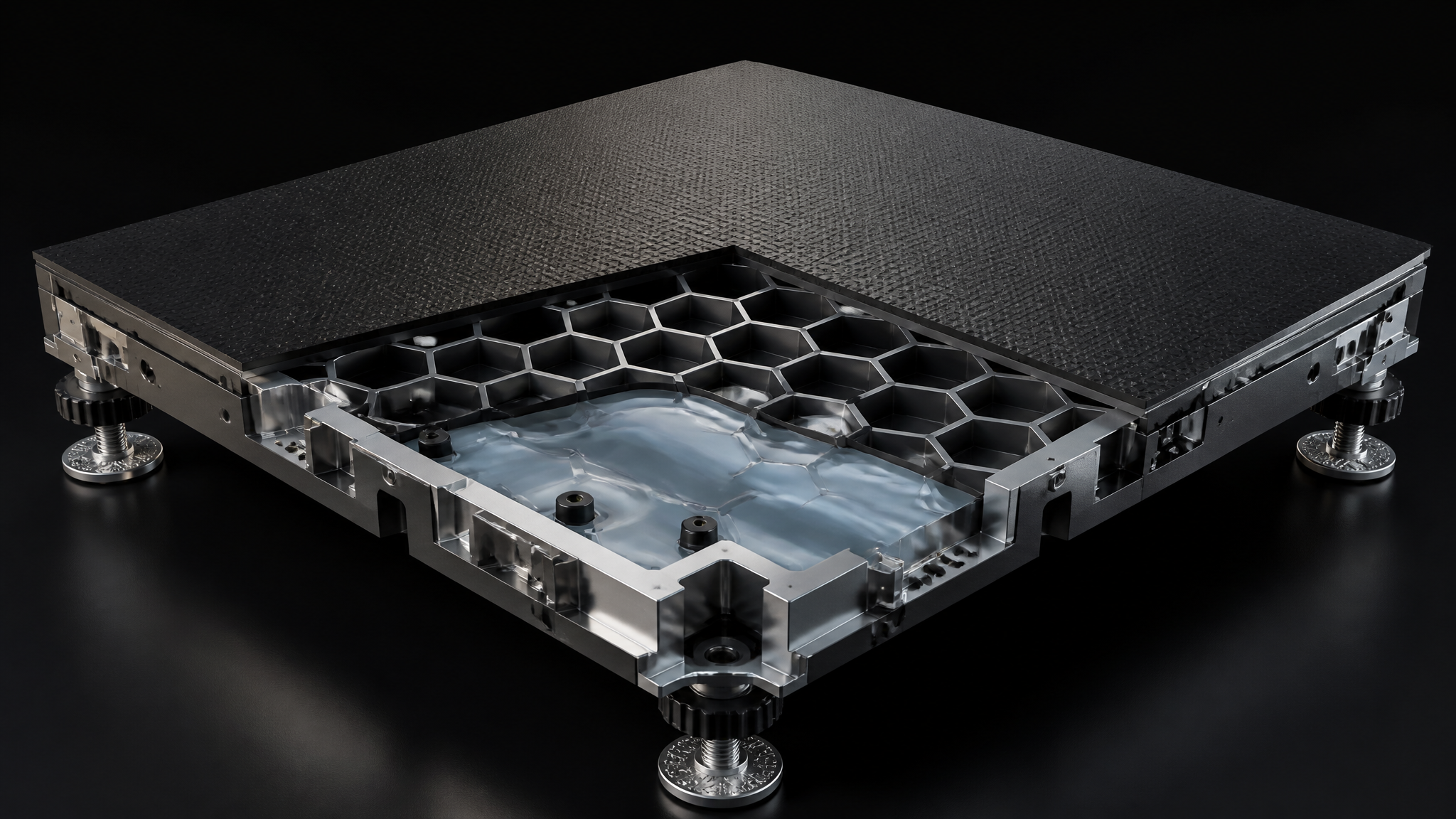
1. Core Engineering Architecture of Floor LED Displays
Floor LED displays differ fundamentally from conventional wall-mounted screens across four structural engineering pillars:
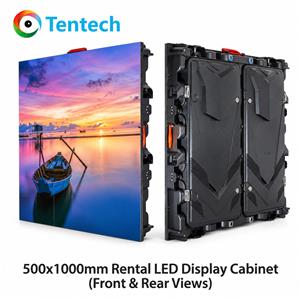
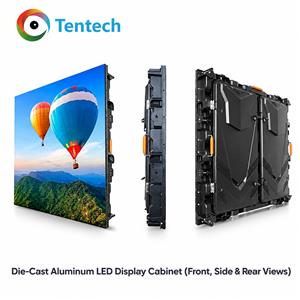
• Heavy-Duty Load-Bearing Metallurgy: Floor cabinets utilize reinforced die-cast aluminum honeycomb chassis and high-strength load pillars, withstanding point loads and distributed loads from 1,500 to 2,500 kg per square meter (capable of supporting automobiles and dense dancing crowds).
• Protective Wear-Resistant Polycarbonate Mask: Panels feature high-molecular tempered polycarbonate (PC) composite masks with high scratch resistance, non-slip matte texture, anti-glare diffusion, and UL94-V0 fire retardance, preventing optical scratches caused by high-heel footwear and heavy equipment wheels.
• Liquid Waterproof Ingress Sealing (IP65): Double silicone potting on module circuits and waterproof aviation connectors deliver full IP65 to IP68 modular protection against liquid spills, cleaning water, and accidental beverage drops.
• Magnetic Front Service Module Extraction: Individual LED modules are magnetically extracted from above within 30 seconds using an electronic vacuum tool, eliminating the need to dismantle adjacent floor tiles or structural rail foundations during live event maintenance.
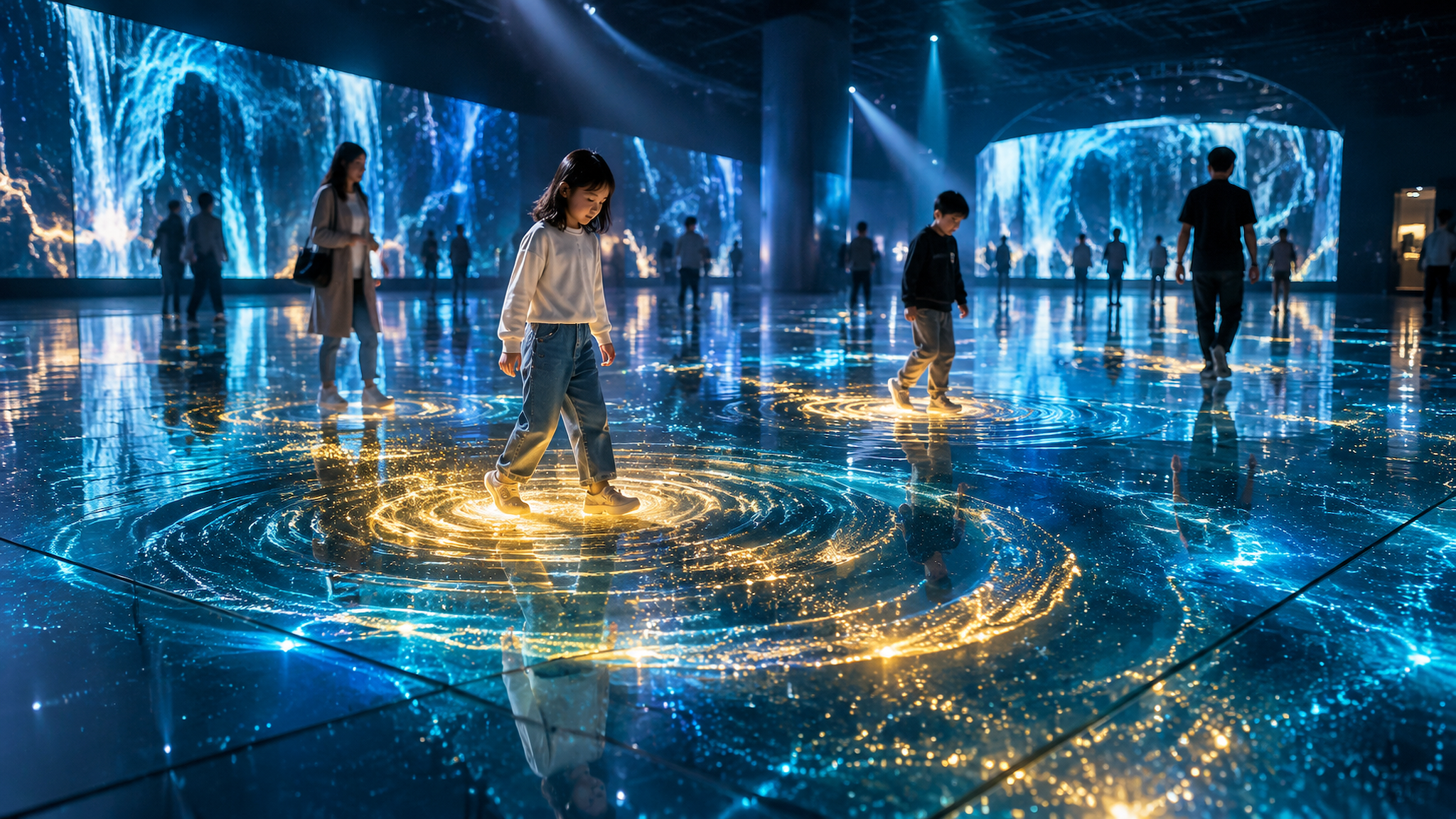
2. Floor LED Display Technical Evaluation and Specification Matrix
The following master specification matrix summarizes standard pixel pitches, load limits, and core engineering configurations across professional applications.
Pixel Pitch (P-Value) | Load-Bearing Limit | Surface Mask Material | Ingress Rating | Interactive Technology | Primary Application Scope |
P2.5 mm Fine Pitch | 1,500 to 2,000 kg per m² | Tempered Matte Polycarbonate | IP65 Front Sealed | LiDAR Optical Radar Tracking | Immersive Museums, XR Virtual Stages |
P2.97 mm Fine Pitch | 1,800 to 2,200 kg per m² | High-Wear Anti-Glare PC Mask | IP65 Front Sealed | LiDAR or Pressure Sensor Matrix | Luxury Automotive Showrooms, Retail |
P3.91 mm Global Standard | 2,000 to 2,500 kg per m² | Reinforced Non-Slip PC Mask | IP65 and IP68 Potting | Optical Radar (0.016s Latency) | Concert Touring, Nightclubs, Events |
P4.81 mm Heavy Rental | 2,000 to 2,500 kg per m² | Impact Resistant PC Acrylic | IP65 Weatherproof | Optical Radar Multi-Touch | Corporate Galas, Wedding Banquets |
P6.25 mm Outdoor Grid | 2,500 kg per m² or higher | Heavy UV-Proof PC Mask | IP66 Full Weatherproof | Perimeter Optical Radar Array | Outdoor Plazas, Theme Parks, Stadiums |
3. Interactive Sensing Technologies: Optical Radar vs Embedded Sensors
Interactive floor LED displays track foot movement and trigger real-time generative visual graphics via two primary architectures:
Method 1: Optical Radar (LiDAR) Spatial Tracking — Laser scanners installed at perimeter floor corners project invisible horizontal sensing planes across the screen, tracking over 50 simultaneous footstep coordinates with an ultra-fast response time of 0.016 seconds. Because sensing hardware is mounted externally along perimeter walls, tile manufacturing complexity and failure rates remain identical to standard screens.
Method 2: Embedded Pressure and Capacitive Sensor Matrix — Individual LED modules integrate pressure-sensitive or capacitive sensor chips directly beneath the mask, detecting localized physical contact. While offering pinpoint localized touch coordinates, internal wiring increases tile complexity and maintenance requirements.
Software Engine Integration: Interactive coordinate data is fed into real-time rendering engines (such as Unity 3D, Unreal Engine, TouchDesigner, or Notch) to generate responsive particle ripples, blooming flowers, sound-synchronized waves, and dynamic games beneath walking visitors.
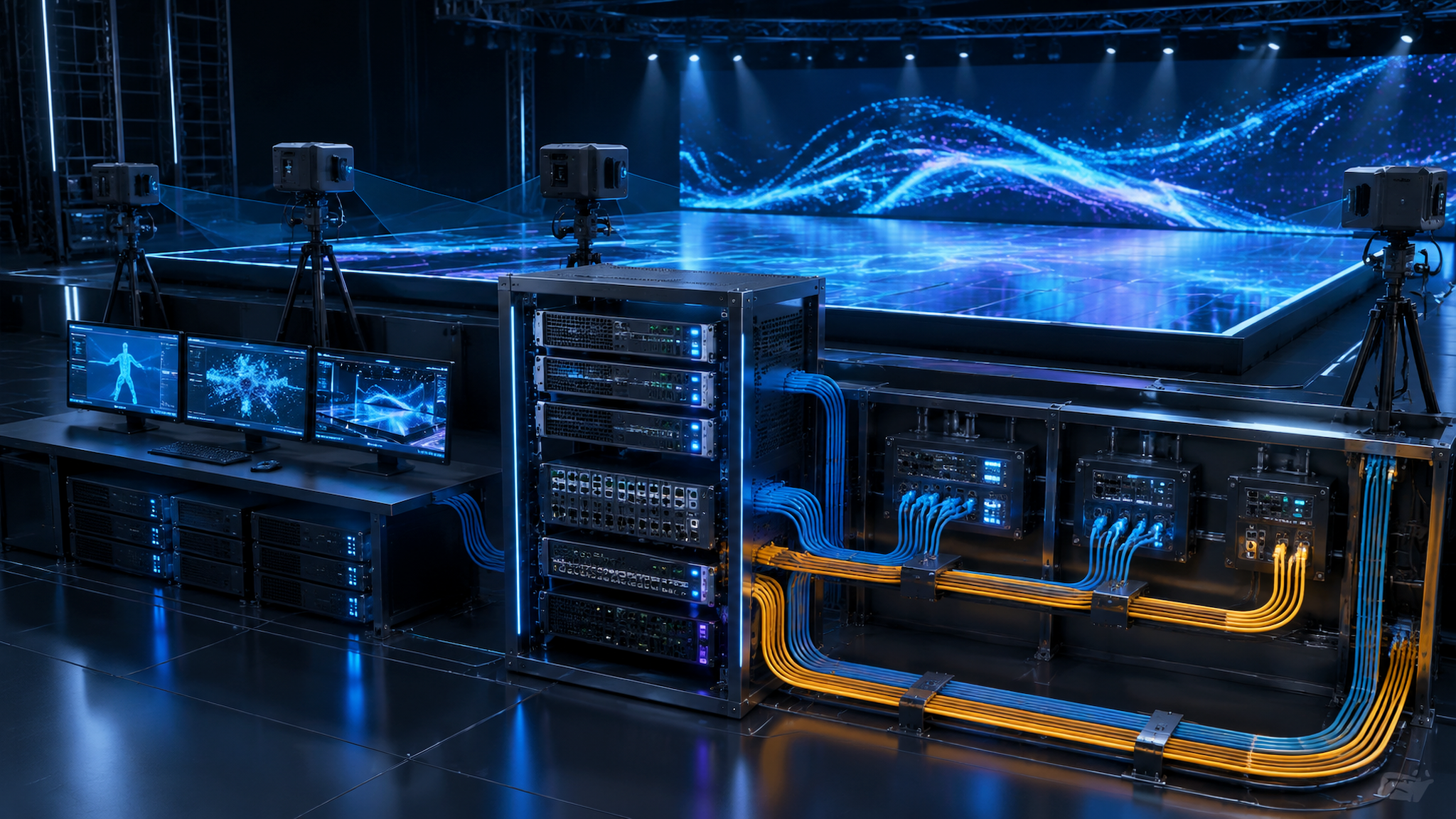
4. Sub-Floor Mechanical Installation and Ground Leveling
Proper ground support engineering is critical to prevent tile dislocation, joint friction, and uneven surface stress:
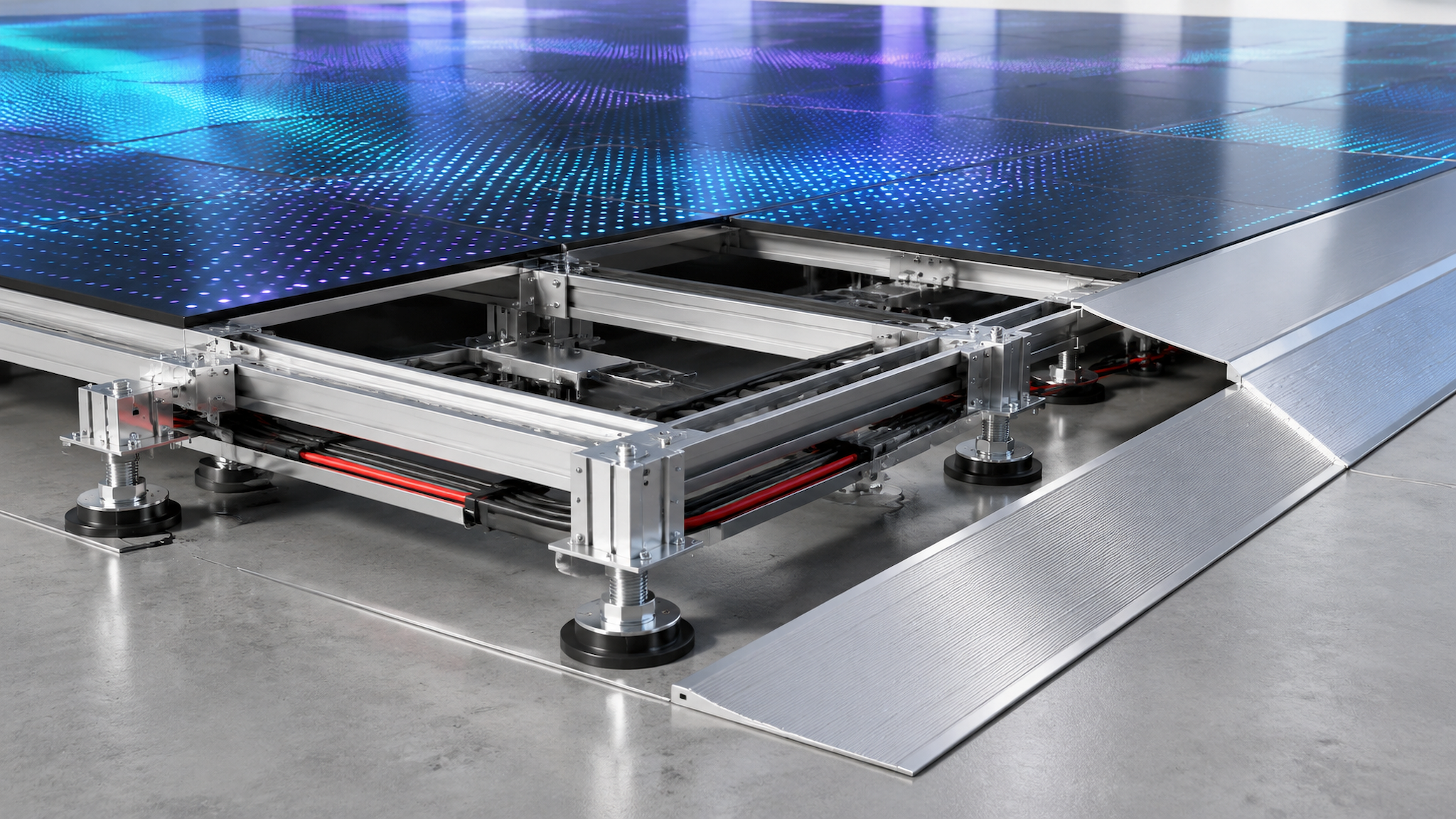
• Modular DIN-Rail and Screw-Jack Foundations: Tiles are mounted onto modular aluminum foundation frames equipped with adjustable screw-jack leveling feet (providing 50 mm to 150 mm height compensation), ensuring a perfectly flat, seamless floor across uneven venue concrete substrates.
• Underfloor Cable Raceways: Interlocking base frames incorporate dedicated underfloor wire channels for clean, concealed power and Ethernet cabling, isolating high-voltage circuits from signal lines.
• Beveled Perimeter Anti-Trip Edge Ramps: Beveled aluminum alloy edge ramps wrap the screen perimeter, providing smooth wheelchair transition and preventing visitor tripping hazards while protecting exterior tile edges.
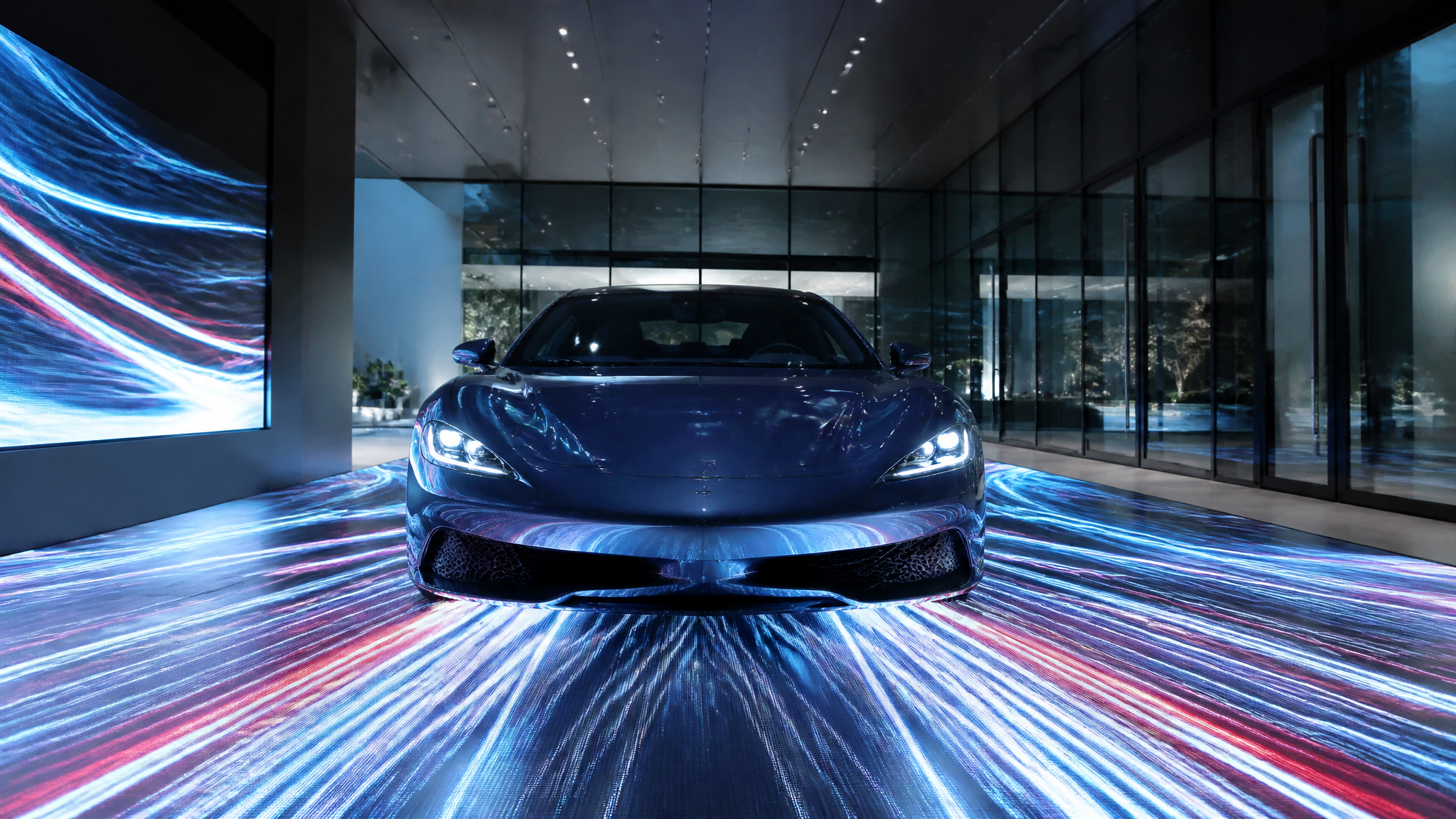
5. Multi-Scenario Floor LED Sourcing and Budgeting Matrix
The following engineering table outlines recommended pixel pitches, brightness levels, and budgeting guidelines across core use cases.
Project Scenario | Recommended Pixel Pitch | Target Brightness | Interaction Method | Key Architectural Selection Drivers |
Immersive Digital Art Museums | P2.5 mm to P2.97 mm | 800 to 1,200 nits | Perimeter LiDAR Radar | Ultra-high definition, seamless wall-to-floor visual continuity |
Live Touring and Concert Stages | P3.91 mm | 1,500 to 2,500 nits | Perimeter LiDAR Radar | Heavy load resistance (>2000 kg per m²), fast latch rigging |
Luxury Auto Flagship Showrooms | P2.97 mm to P3.91 mm | 1,000 to 1,500 nits | Non-Interactive or Radar | Vehicle load-bearing certified, non-glare camera finish |
Nightclubs and Banquet Ballrooms | P3.91 mm to P4.81 mm | 1,000 to 1,800 nits | Embedded Touch or Radar | Vibrant reactive dance effects, IP65 beverage spill proofing |
Outdoor Plazas and Theme Parks | P4.81 mm to P6.25 mm | 4,500 to 6,000 nits | High-Range Optical Radar | Direct sunlight visibility, IP66 heavy weatherproofing |
6. Frequently Asked Questions (FAQ) and Procurement Guidelines
Commercial Pricing Reference: Direct factory capital purchase of heavy-duty floor LED displays ranges from an estimated reference cost of 900 to 2,800 USD per square meter (depending on pixel pitch, load ratings, and LiDAR radar packages). Short-term event rental rates range from 80 to 220 USD per square meter per day.
Q1: Wall Panels vs Floor Panels — Question 1: Can standard wall LED display panels be placed on the floor?
Answer: No. Standard wall panels lack reinforced load-bearing chassis and protective polycarbonate masks. Stepping on standard panels causes immediate diode breakage, solder joint cracking, and severe electrical short hazards.
Q2: Module Replacement Process — Question 2: How do technicians replace a damaged floor module in a large installation?
Answer: Using an electronic vacuum suction extraction tool, a single technician lifts the damaged module directly from the front in under 30 seconds without dismantling surrounding tiles or foundation frames.
Q3: LiDAR Radar Architecture — Question 3: Does optical radar tracking require sensors inside every floor tile?
Answer: No. Optical radar uses perimeter corner-mounted LiDAR laser scanners that project an invisible tracking plane across the active floor surface, keeping tile construction simple, durable, and highly reliable.
Q4: Surface Mask Treatment — Question 4: What surface mask treatment prevents pedestrian slipping and camera glare?
Answer: Professional floor displays utilize high-molecular polycarbonate masks with micro-textured matte finishes that provide high frictional grip (preventing slips) while diffusing light reflections for camera recording.
Procurement Inspection Checklist: Verify certified 2,000 kg per m² structural load test reports, confirm UL94-V0 fire retardance and IP65 waterproof potting, mandate front vacuum serviceability, test 0.016s LiDAR radar tracking response, and inspect aluminum perimeter ramp finishes.