
NovaStar MG Series: 2K vs 4K, IP Architecture and Setup
The NovaStar MG Series is an enterprise-grade AV-over-IP distributed processing ecosystem engineered by Xi'an NovaStar Tech Co., Ltd. for mission-critical command centers, emergency operations hubs, smart city monitoring halls, traffic control centers, corporate boardrooms, and large-scale multi-display video wall installations. By abandoning centralized fixed-chassis matrix switchers in favor of an infinitely scalable IP-based architecture, the MG Series allows video sources, audio streams, KVM operator controls, and environmental peripheral signals to be transmitted across standard Gigabit network switches with sub-frame ultra-low latency.
Within the ecosystem, NovaStar categorizes hardware nodes into the MG 2K Series (such as the MG200 encoder, MG201 decoder, and MGT600 all-in-one LED node) and the flagship MG 4K Series (such as the MG420 encoder, MG421 decoder, and MGT1000 all-in-one LED processing server). Choosing between 2K and 4K distributed nodes requires balancing source pixel density, color depth requirements, optical fiber redundancy, high-speed USB peripheral redirection, and overall system budget.
This comprehensive technical guide provides an exhaustive engineering comparison between the MG Series 2K and 4K architectures, verified hardware specifications, network topologies, step-by-step setup workflows, and 2026 purchasing benchmarks.
`
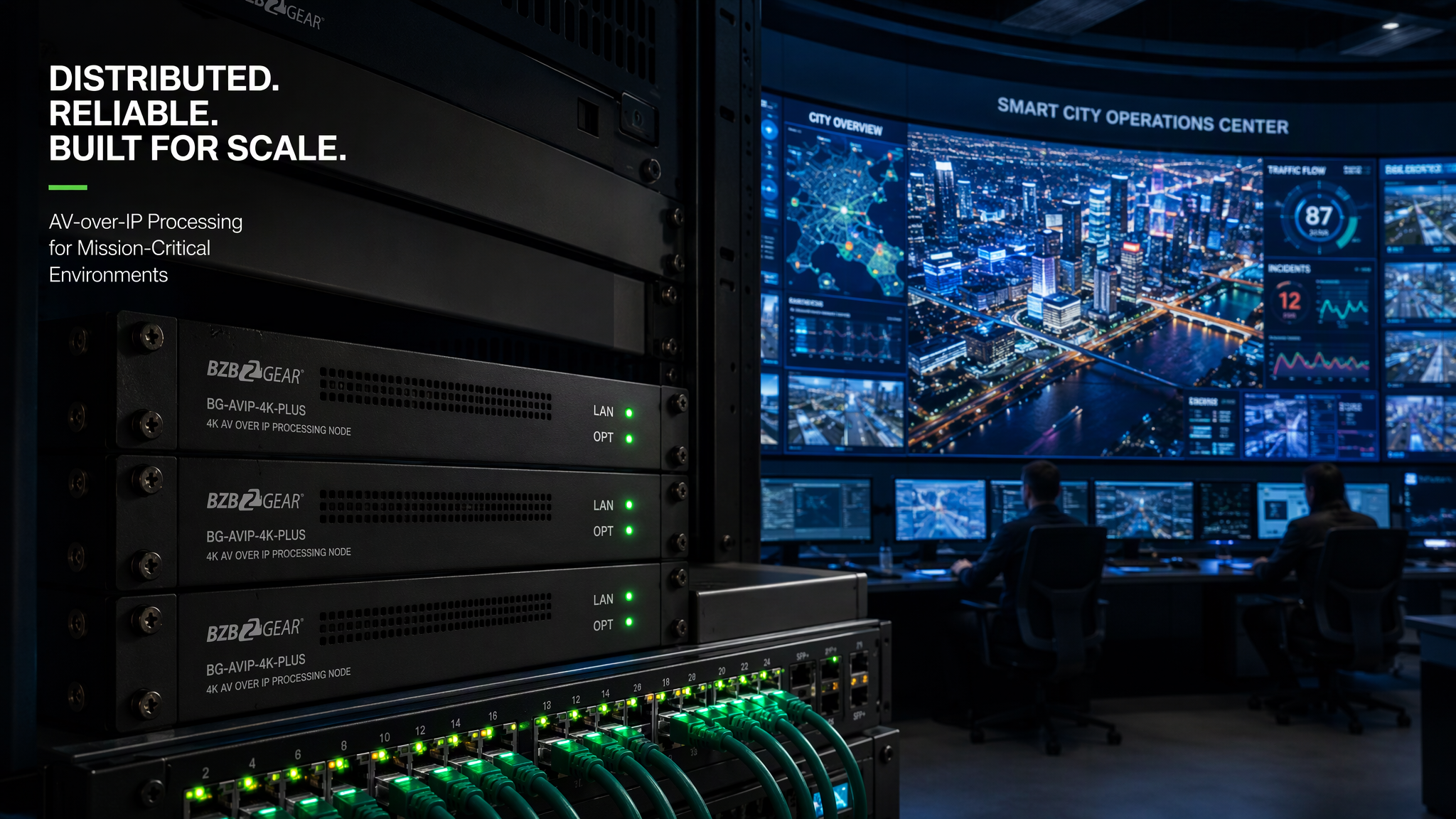
NovaStar MG Series Distributed Architecture
[1] Decentralized Serverless IP Matrix: Standard Gigabit Switch Infrastructure with Zero Central Matrix
[2] 2K vs 4K Visual Tiers: 1080p 60Hz 8-bit (2K) vs True 4K 60Hz 10-bit 4:4:4 Ingest & Output (4K)
[3] Sub-60ms Ultra-Low Latency: Real-Time Mouse Roaming and Video Wall Synchronization Across Nodes
[4] Seamless KVM Matrix Control: Cross-Screen Mouse Roaming, View, Control, and Monopolize Modes
[5] Dual Media Redundancy: Gigabit RJ45 PoE 802.3at Combined with 1G SFP Optical Port Hot Backup
[6] Integrated LED Sending Nodes: MGT1000 Drives up to 6.5M Pixels Directly Without External Sending Box
`
---
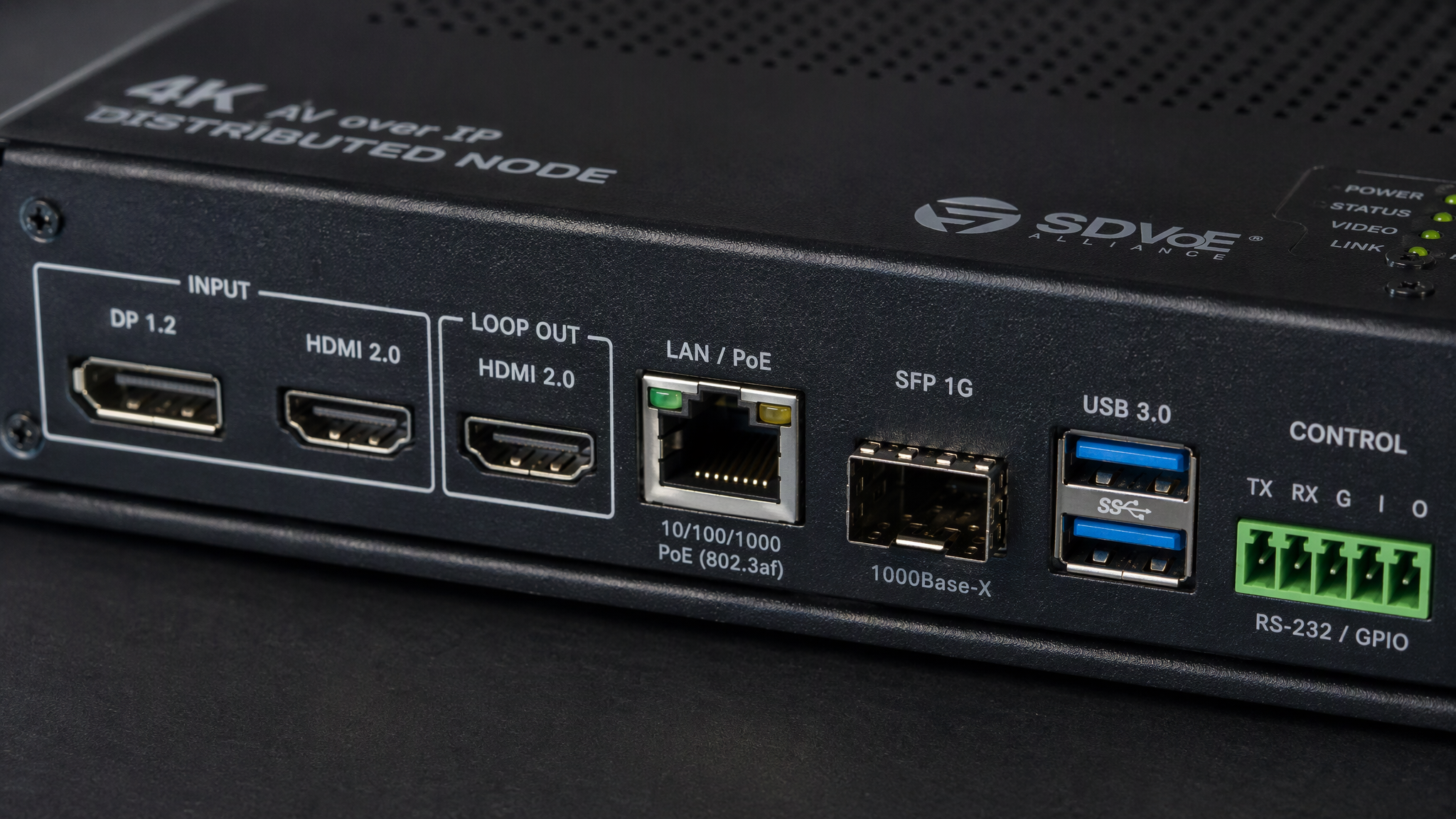
1. Verified Technical Specifications: NovaStar MG 2K vs. MG 4K Series
Parameter Category | NovaStar MG 2K Series (MG200 & MG201) | NovaStar MG 4K Series (MG420 & MG421) | Operational Significance |
System Architecture | Decentralized AV-over-IP distributed node | Decentralized AV-over-IP distributed node | Eliminates single-point-of-failure matrix frames |
Max Video Input | 1920 x 1080 at 60Hz (HDMI 1.4)<br>(Standard 2K formats up to 1920 x 1200) | 4096 x 2160 at 60Hz (DP 1.2 & HDMI 2.0)<br>(Custom EDID up to 8192 x 7680) | 4K tier ingests native 4K workstation graphics |
Max Video Output | 1920 x 1080 at 60Hz (HDMI 1.4 output) | 4096 x 2160 at 60Hz (HDMI 2.0 output) | Drives fine-pitch 4K monitors and LED walls |
Color Depth & Sampling | 8-bit RGB 4:4:4 at 60Hz | 8-bit 4:4:4 at 60Hz; 10-bit 4:4:4 at 30Hz<br>(10-bit 4:2:2 at 60Hz) | 4K node preserves subtle gradients and text |
Video Compression | High-efficiency H.264 & H.265 codecs | High-efficiency H.264 & H.265 codecs | Low-bandwidth transmission over 1Gbps LAN |
End-to-End Latency | Less than 60 milliseconds (<60ms) | Less than 60 milliseconds (<60ms) | Ultra-responsive real-time mouse KVM response |
Local Video Loop Out | 1x HDMI 1.4 Loop Out (on MG200 encoder) | 1x HDMI 2.0 Loop Out (on MG420 encoder) | Instant rackside source verification monitor |
Audio Interfaces | 1x 3.5 mm In & 1x 3.5 mm Out (Dual channel) | 1x 3.5 mm In & 1x 3.5 mm Out (48 kHz 16-bit) | Independent analog audio embed and de-embed |
Network Interfaces | 1x Gigabit RJ45 Port (PoE 802.3af or 802.3at) | 1x Gigabit RJ45 Port (PoE 802.3at)<br>1x 1G SFP Optical Port (1.25G SFP) | 4K tier includes native dual copper and fiber |
USB & KVM Capability | 1x USB Type-B (Encoder), USB 2.0 (Decoder) | 1x USB Type-B (Encoder), 4x Front USB 3.0<br>2x Rear USB 2.0 (Decoder) | 4K decoder supports 256GB USB disk redirection |
Peripheral Control | 1x RS232, 1x RS485, 2x IO Contacts, 1x Relay | 1x RS232, 1x RS485, 2x IO Contacts, 1x Relay | Central automation for screens, lifts, and audio |
Multi-Window Display | Up to 4 windows per monitor | Up to 4 windows per monitor (8 layout modes) | Allows multi-source monitoring on one operator screen |
Power Supply & Draw | DC 12V 2A or PoE (Max 12W power draw) | DC 12V 3A or PoE 802.3at (Max 20W draw) | Low thermal footprint for high-density racks |
Dimensions & Weight | 211.7 mm x 226.0 mm x 45.0 mm (1.8 kg) | 211.7 mm x 226.0 mm x 45.0 mm (1.9 kg) | Half-rack 1U enclosure (2 units fit 1U 19-inch) |
2026 Price Benchmark | 650 USD to 800 USD per node | 1150 USD to 1400 USD per node | 2K saves budget; 4K delivers future-proof power |
---
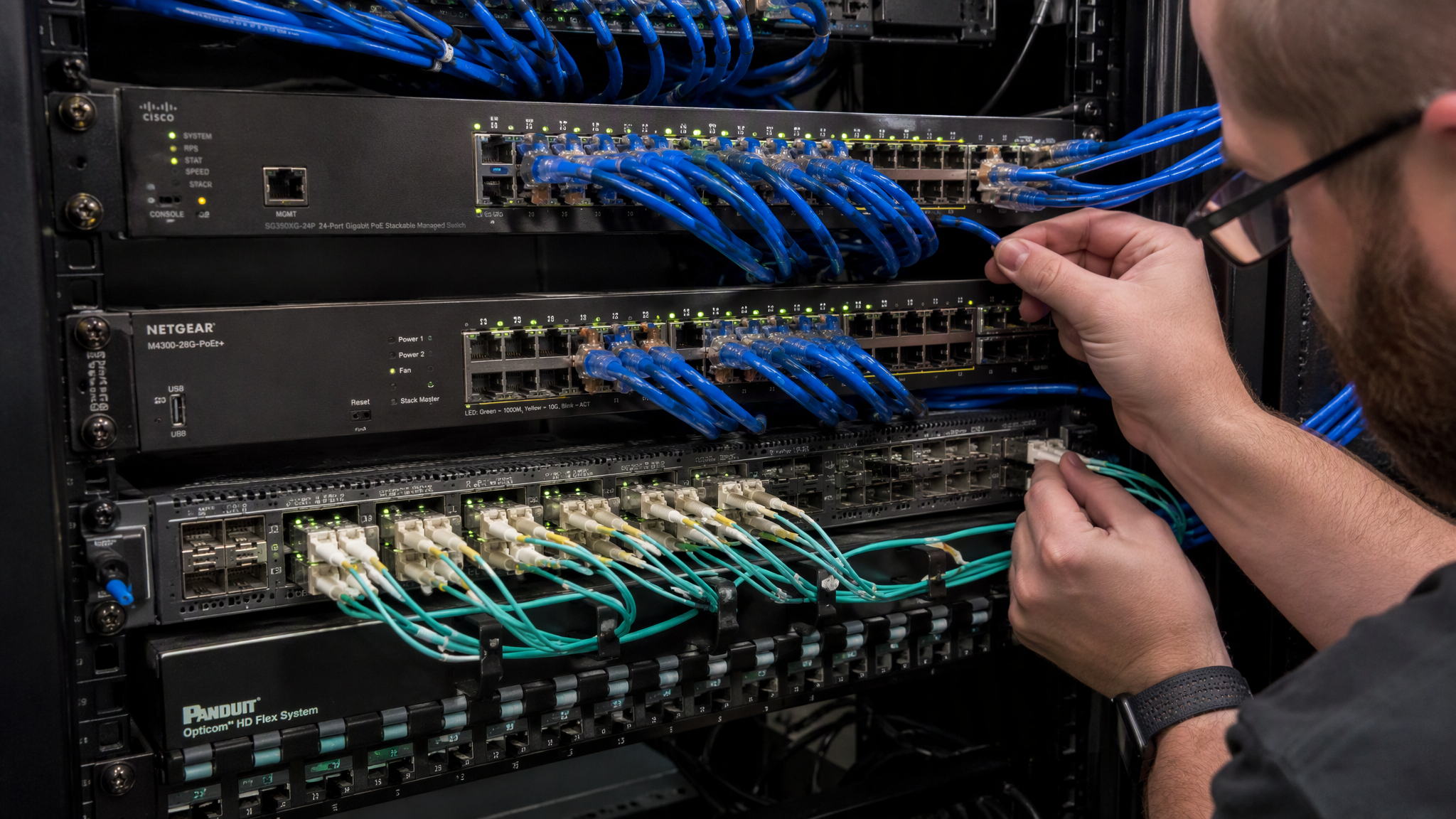
2. NovaStar MG Series Lineup: MG200, MG201, MG420, MG421, MGT600 and MGT1000
Model Name | Role in Ecosystem | Primary Video Interface | Max Resolution or LED Load | Power & Network Infrastructure | 2026 Price Benchmark |
NovaStar MG200 | 2K AV-over-IP Encoder | 1x HDMI 1.4 In & Loop Out | 1920 x 1080 at 60Hz | Gigabit RJ45 with PoE 802.3af or 802.3at | 650 USD to 750 USD |
NovaStar MG201 | 2K AV-over-IP Decoder | 1x HDMI 1.4 Output | 1920 x 1080 at 60Hz | Gigabit RJ45 with PoE 802.3af or 802.3at | 680 USD to 800 USD |
NovaStar MG420 | 4K AV-over-IP Encoder | 1x DP 1.2, 1x HDMI 2.0 In & Loop | 4096 x 2160 at 60Hz | 1x Gigabit RJ45 PoE & 1x 1G SFP Fiber | 1150 USD to 1250 USD |
NovaStar MG421 | 4K AV-over-IP Decoder | 1x HDMI 2.0 Output | 4096 x 2160 at 60Hz | 1x Gigabit RJ45 PoE & 1x 1G SFP Fiber | 1300 USD to 1400 USD |
NovaStar MGT600 | 2K All-in-One LED Node | 4x Gigabit LED RJ45 Outputs | 2.60 to 3.90 Million Pixels | Dual Gigabit LAN with Internal AC Power | 1350 USD to 1600 USD |
NovaStar MGT1000 | 4K All-in-One LED Server | 10x Gigabit LED RJ45 Outputs | 6.50 Million Pixels | Dual Gigabit LAN with Internal AC Power | 1850 USD to 2100 USD |
---
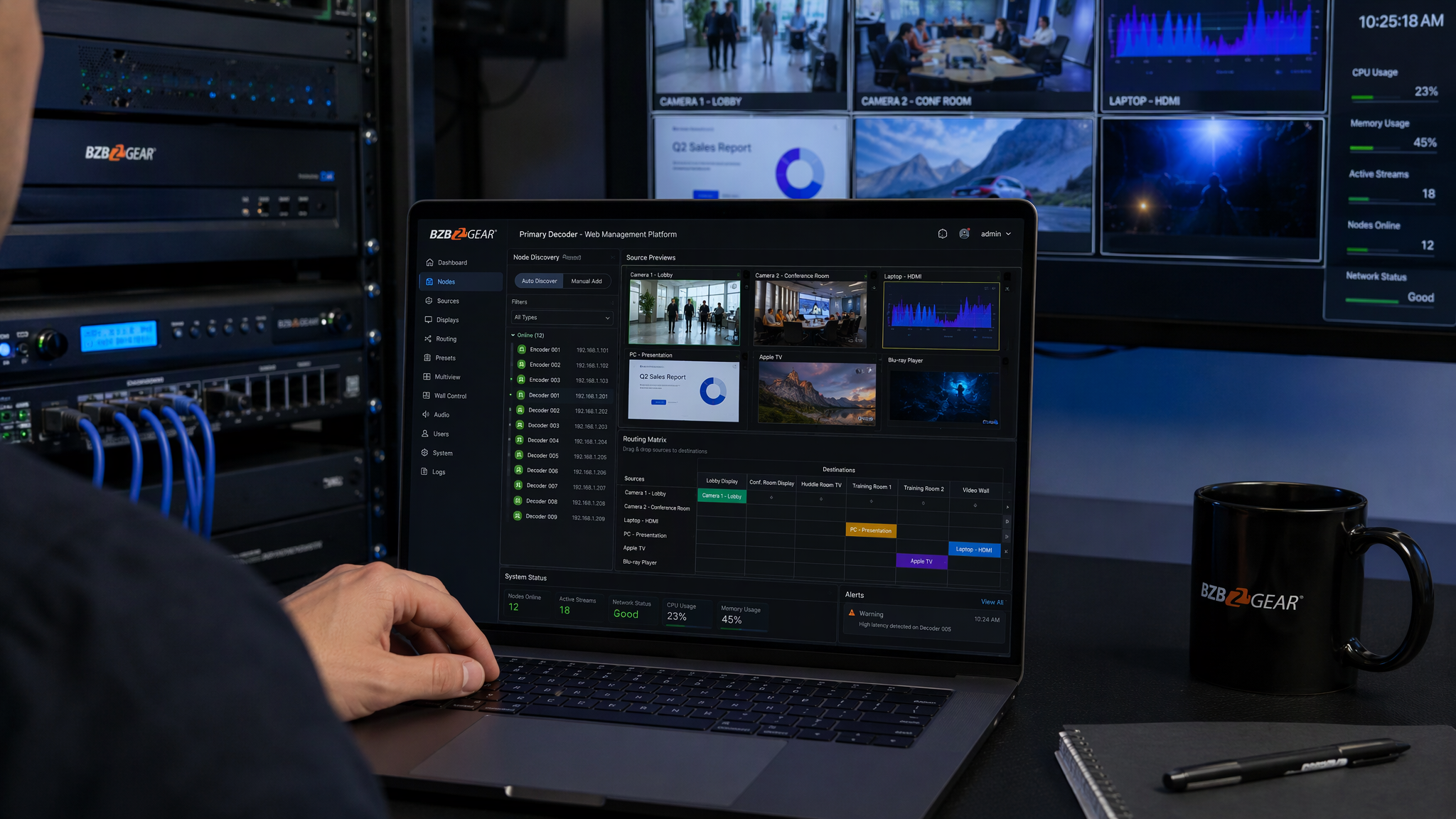
3. Step-by-Step Commissioning, Wiring and Web Platform Setup Manual
`
Commissioning Workflow
Network Switch Setup ───> Node Ingest & Cabling ───> Primary Decoder Web Login ───> KVM Mapping ───> Video Wall Splicing
`
1. Gigabit Network Switch Infrastructure Configuration:
· Deploy an enterprise-grade Layer 2 or Layer 3 Gigabit Ethernet switch with IGMP Snooping (v2 and v3), Jumbo Frames (9000 bytes), and PoE+ 802.3at support.
· Configure a dedicated VLAN for MG Series AV-over-IP traffic to isolate multicast streams from corporate office networks.
· If optical fiber backbone cabling is utilized with MG420 or MG421 nodes, insert verified 1.25G SFP optical transceiver modules into the SFP slots.
2. Hardware Ingest and Interconnection:
· Connect computer graphics outputs to encoder inputs: use HDMI cables for MG200 (2K) or DP 1.2 and HDMI 2.0 cables for MG420 (4K).
· Connect the supplied USB Type-B cable from the encoder to the source PC to enable KVM keyboard and mouse control.
· Connect Cat5e or Cat6 network cables from each MG node to the PoE switch ports.
· For decoders (MG201 or MG421), connect HDMI outputs to operator desktop monitors or downstream LED controllers. Connect USB keyboards, mice, and flash drives to the decoder front USB ports.
3. Primary Management Node Nomination and Web GUI Login:
· Identify an MG decoder node on the network to serve as the Primary Management Node (the MG Series runs serverless Web software embedded directly within decoder firmware).
· Open a web browser (Google Chrome recommended) on your management workstation and enter the default IP address of the primary decoder node.
· Log into the visual management interface and allow the auto-discovery engine to scan and list all online MG encoders, decoders, and IP camera streams.
· Nominate a second decoder as the Backup Management Node to guarantee automatic zero-downtime management failover.
4. Source Encoding Tuning and EDID Locking:
· In the Source Management panel, select individual encoders and assign descriptive labels (e.g. Server 01, GIS Map 4K, CCTV Matrix).
· Set the encoding profile per source: choose Smooth for fast-motion video or Clear for high-detail desktop data dashboards.
· Lock the input EDID resolution (e.g. 3840 x 2160 at 60Hz) to prevent source workstations from altering desktop canvas dimensions upon reboot.
5. KVM Operator Station and Cross-Screen Mouse Roaming:
· Navigate to the KVM Management menu and arrange operator monitors in their physical multi-screen desktop order (e.g. 1x3 horizontal array).
· Enable Cross-Screen Mouse Roaming: moving the cursor past the physical bezel of Monitor 1 seamlessly transitions control to Monitor 2 and Monitor 3 with zero keystrokes.
· Configure operator privilege levels: assign View (read-only monitoring), Control (shared mouse and keyboard operation), or Monopolize (exclusive locked control).

Frequently Asked Questions
What is the core difference between the NovaStar MG 2K and MG 4K distributed series?
The MG 2K Series (MG200 and MG201) handles 1080p 60Hz 8-bit video streams over Gigabit copper networks for standard office and surveillance needs, whereas the MG 4K Series (MG420 and MG421) supports native 4096 x 2160 at 60Hz 10-bit 4:4:4 video, dual copper and optical fiber redundancy, and high-speed USB 3.0 peripheral redirection.
Does the NovaStar MG Series require a dedicated central server for system management?
No. The MG Series operates on a decentralized serverless architecture where management Web software is embedded inside the decoder firmware. Any decoder can act as the primary management node, with a secondary decoder serving as a hot backup.
Final Thoughts
The NovaStar MG Series Distributed Processors represent the modern standard for scalable, resilient AV-over-IP signal management and KVM collaboration. Whether deploying the cost-effective 2K tier for corporate command centers or the flagship 4K tier with optical redundancy and 10-bit 4:4:4 fidelity for critical control rooms, the MG Series delivers unmatched flexibility, sub-60ms responsiveness, and rock-solid 24-7 operational reliability in 2026.