Planning Reliable Indoor LED Video Wall Installations
Section 1: The Procurement Dilemma and Scope Standardization
Procuring an enterprise indoor direct-view LED (DV-LED) video wall is a complex multidisciplinary project involving optical physics, structural civil engineering, high-amperage electrical distribution, and digital signal topology. When enterprise buyers issue vague requests for quotes (RFQs) stating only generic dimensions such as a four-meter by two-meter screen, competing audio-visual (AV) integrators and manufacturers submit quotes with vast discrepancies in hardware quality, optical performance, and ongoing operational costs.
Low-bid proposals often omit essential line items such as dedicated structural sub-framing, video processing controllers, spare parts batch retention, and electrical distribution panels. These omissions result in expensive post-contract change orders or substandard installations. This technical specification checklist establishes an authoritative, itemized engineering standard to ensure vendor quotes are transparent, complete, and directly comparable.
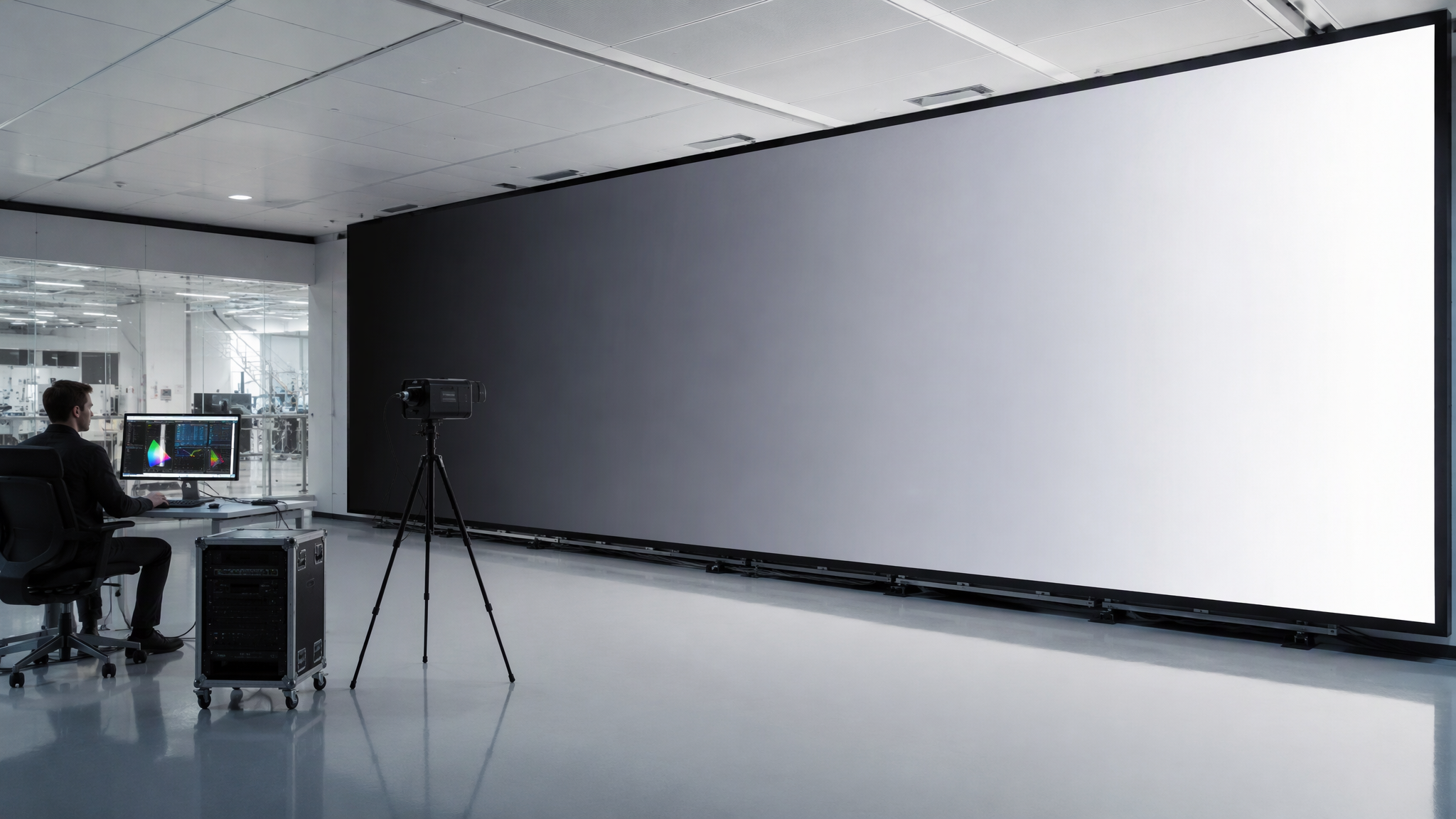
Section 2: Display Geometry, Aspect Ratio, and Pixel Mapping
The physical size and aspect ratio of an indoor video wall must be designed around standard video source formats to prevent unnatural image stretching, black letterboxing, or software downscaling distortion.
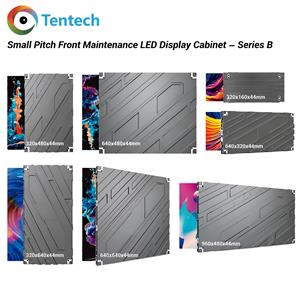
· Standard 16 to 9 Aspect Ratio Mapping: Commercial content from corporate laptops, media servers, and broadcast switchers is produced in native 16 to 9 formats (1920 by 1080 High Definition or 3840 by 2160 Ultra High Definition). Cabinet grid dimensions must conform to 16 to 9 proportions (such as 4 by 4 cabinets or 6 by 6 cabinets using standard 16 to 9 ratio 600 mm by 337.5 mm panels).
· Native Pixel-to-Pixel Resolution: Matching the physical pixel count of the video wall to standard content resolutions ensures pixel-perfect text sharpness in boardrooms and command centers without image scaling artifacts.
Table 1: Standard 16 to 9 Indoor LED Video Wall Dimensions and Resolution Mapping
Screen Diagonal | Active Width by Height | P0.9 Native Resolution | P1.2 Native Resolution | P1.5 Native Resolution |
110 Inches | 2400 mm by 1350 mm | 2560 by 1440 (2K QHD) | 1920 by 1080 (Full HD) | 1536 by 864 dots |
138 Inches | 3000 mm by 1687.5 mm | 3200 by 1800 dots | 2400 by 1350 dots | 1920 by 1080 (Full HD) |
165 Inches | 3600 mm by 2025 mm | 3840 by 2160 (4K UHD) | 2880 by 1620 dots | 2304 by 1296 dots |
220 Inches | 4800 mm by 2700 mm | 5120 by 2880 (5K) | 3840 by 2160 (4K UHD) | 3072 by 1728 dots |
275 Inches | 6000 mm by 3375 mm | 6400 by 3600 dots | 4800 by 2700 dots | 3840 by 2160 (4K UHD) |
Section 3: Optical, Semiconductor, and Driver IC Specifications
The optical quality of an indoor LED display is determined by the diode semiconductor packaging, substrate contrast mask, and driver integrated circuit (IC) architecture.
· Semiconductor Encapsulation Type: Specify Surface Mounted Diode (SMD), Glue on Board (GOB), or Chip on Board (COB) based on room traffic. High-traffic environments require GOB or COB for impact and moisture resistance.
· Calibrated Peak Luminance: Specify 600 to 1,000 nits for controlled indoor meeting rooms, and 2,500 to 4,000 nits for direct sunlit glass atriums. The display must support linear dimming down to 100 nits without grayscale loss.
· High Refresh Rate (3,840 Hz to 7,680 Hz): Guarantees zero camera scan line artifacts and zero flicker during executive videoconferencing and broadcast recording.
· 14-bit to 16-bit Grayscale Depth: Eliminates color banding in dark gradients and twilight shadow scenes.
· Common Cathode Driver Architecture: Supplies independent lower voltages to Red diodes versus Green and Blue diodes, lowering cabinet operating temperatures by up to 35 percent and reducing long-term HVAC cooling loads.
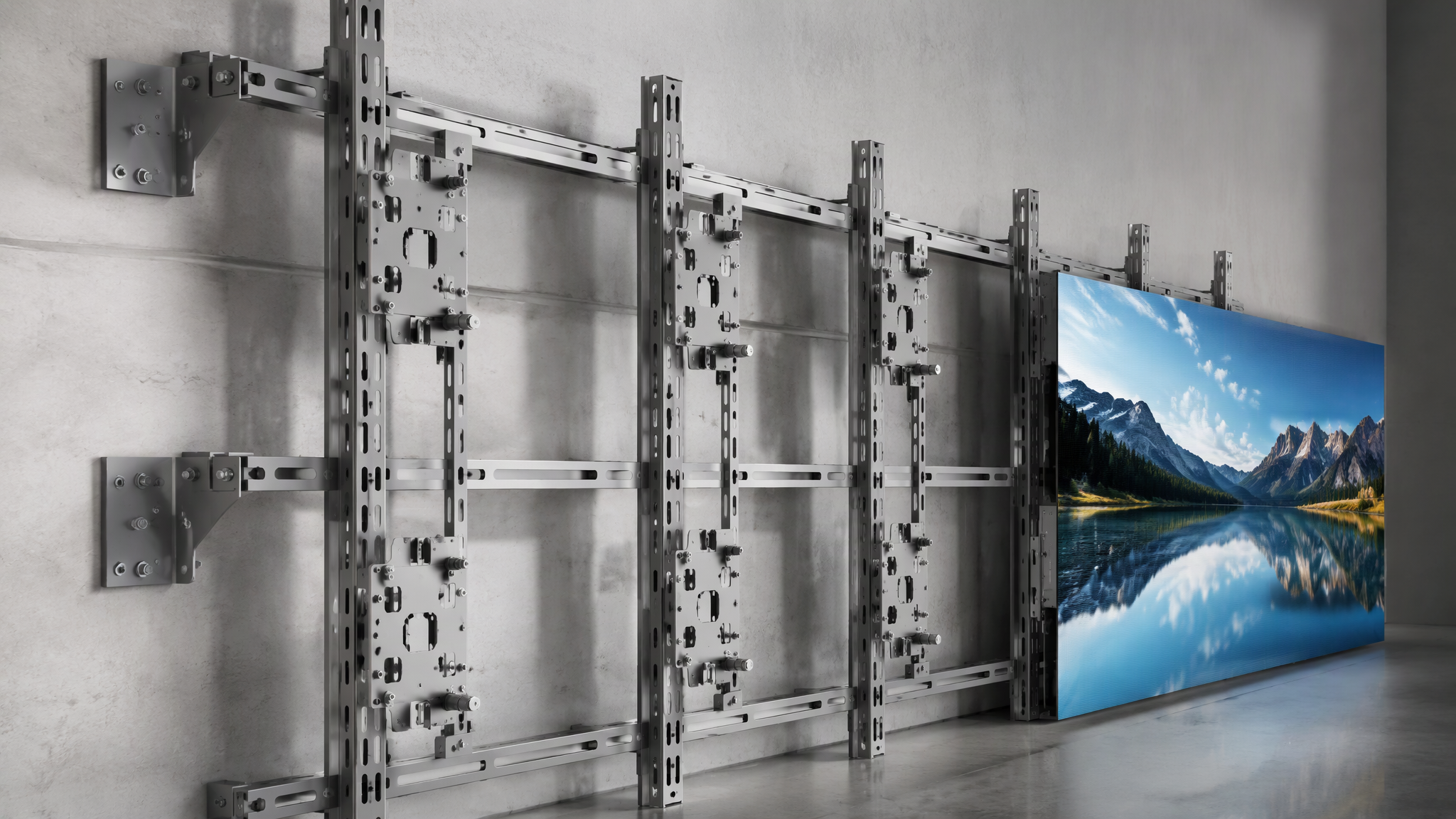
Table 2: Optical, Semiconductor, and Driver IC Specification Checklist
Optical Parameter | Minimum Enterprise Spec | Premium Broadcast Spec | Quote Verification Rule |
Pixel Pitch Range | P1.2 mm to P1.8 mm | P0.9 mm to P1.2 mm | Verify against audience viewing distance |
Packaging Method | SMD Matte Mask or GOB | COB Flip-Chip Substrate | Mandate surface impact defense requirement |
Calibrated Luminance | 600 to 800 nits | 800 to 1,200 nits | Require proof of low-brightness grayscale curve |
Optical Contrast Ratio | 5,000 to 1 | 10,000 to 1 or higher | Measure under standard 300 lux ambient lighting |
Driver Refresh Rate | 3,840 Hz Minimum | 7,680 Hz Ultra-High | Verify with camera shutter test at 1 to 1000 sec |
Color Temperature | 3,200K to 9,300K Adjustable | 3,200K to 9,300K Adjustable | Must support custom 100K increment steps |
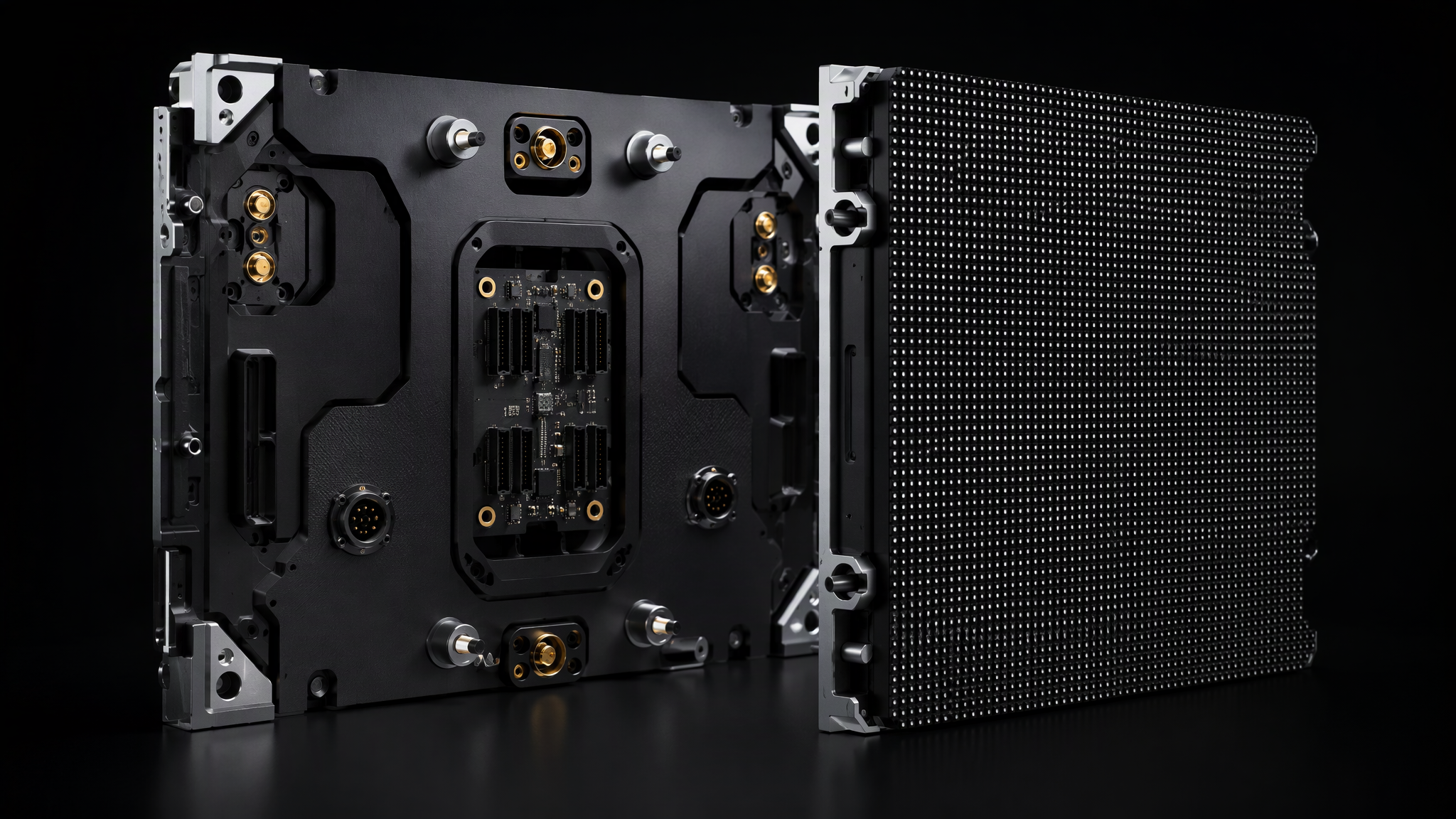
Section 4: Electrical Infrastructure, Thermal Dissipation, and Redundancy
Electrical planning must account for both steady-state operating draw and cold-start inrush currents to prevent circuit breaker trips.
· Max versus Average Power Draw: Quotes must disclose both peak maximum power (all-white display at full luminance, typically 500 to 650 Watts per sqm) and average operational power (typical video content, 150 to 220 Watts per sqm).
· HVAC Heat Load Sizing: Thermal dissipation must be calculated in British Thermal Units per hour (BTU per hour) to allow facility engineers to size supplemental air conditioning accurately (1 Watt equates to approximately 3.412 BTU per hour).
· N plus 1 Power and Dual Signal Redundancy: Mission-critical applications require hot-swappable dual power supplies and dual-loop Ethernet signal ring topology to eliminate single points of failure.
Table 3: Electrical, Thermal, and Mechanical Structural Engineering Specifications
Engineering Discipline | Standard Specification | Mission-Critical Spec | Quote Inclusion Requirement |
Power Architecture | Common Anode (Single Voltage) | Common Cathode (Dual Voltage) | Verify energy efficiency savings |
Thermal Cooling Mode | Internal Low-Noise Fans | 100 Percent Fanless Convection | Mandate zero acoustic fan noise in rooms |
Power Redundancy | Single PSU per Cabinet | N plus 1 Hot-Swappable Redundancy | Specify seamless failover without blackout |
Signal Loop Redundancy | Single Cat6 Ethernet Line | Dual-Loop Bidirectional Ring | Prevent screen failure upon cable cut |
Structural Sub-Framing | Generic Steel Channel Struts | Engineered CNC Micro-Adjusters | Must include 6-axis X, Y, Z plane leveling |
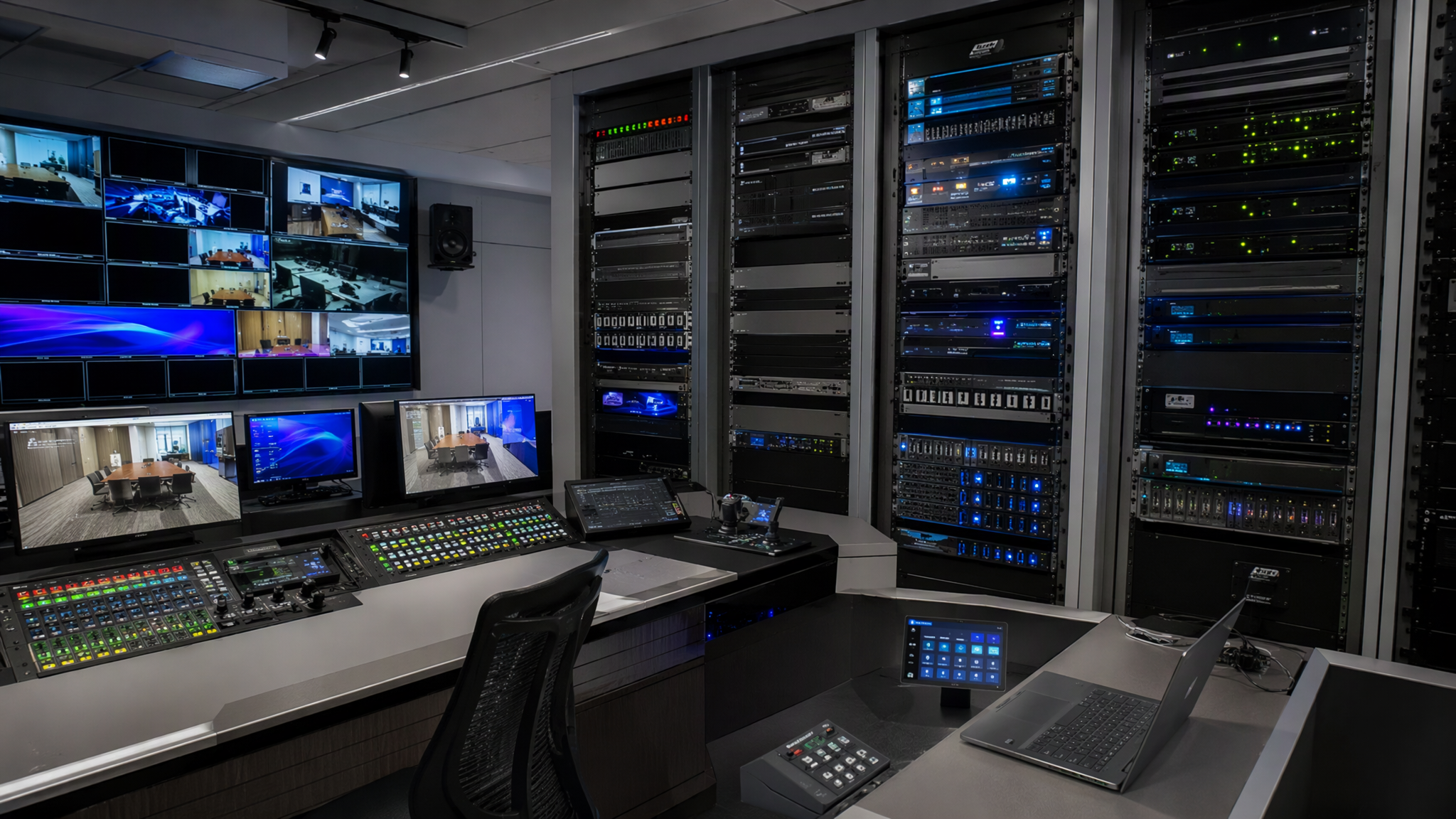
Section 5: Itemized Bill of Quantities (BOQ) Checklist for Quotes
To prevent hidden costs, enterprise RFQs must mandate that all vendor proposals provide transparent pricing across every line item in the following Bill of Quantities table:
Table 4: Comprehensive Bill of Quantities (BOQ) Line Item Checklist for Vendor Quotes
Item | BOQ Scope Component | Required Technical Scope Description | Quote Pricing Status |
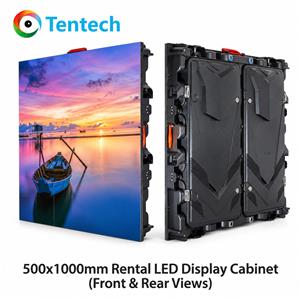
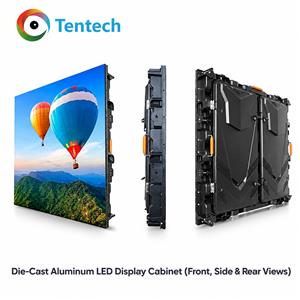
01 | LED Display Cabinets | Die-cast aluminum cabinets with magnetic front-service modules | Mandatory Line Item |
02 | Spare Parts Batch Pool | 3 to 5 percent same-bin diodes, PSUs, and receiving cards | Mandatory Line Item |
03 | Structural Sub-Framing | Engineered unistrut steel frame with 6-axis seam micro-adjusters | Mandatory Line Item |
04 | 4K Video Controller | Broadcast-grade processor with HDMI, DisplayPort, and Fiber out | Mandatory Line Item |
05 | Fiber Signal Extension | 10G optical transceivers and armored duplex fiber patch cords | Mandatory Line Item |
06 | Power Distribution Unit | Sequenced PDU with individual circuit breaker branch protection | Mandatory Line Item |
07 | Front Vacuum Tooling | Handheld electric or pneumatic vacuum suction extraction tool | Mandatory Line Item |
08 | On-Site Installation Labor | Certified AV mechanical rigging and electrical integration labor | Mandatory Line Item |
09 | Optical Color Calibration | On-site spectrophotometer calibration and uniform color mapping | Mandatory Line Item |
10 | Extended Warranty and SLA | 3 to 5 year advanced hardware replacement with 24-hour response | Mandatory Line Item |
ESSENTIAL PROJECT QUOTE AND PROCUREMENT TAKEAWAYS 1. Never accept lump-sum quotes; insist on line-item breakdown across hardware, framing, and processing. 2. Require 3 percent to 5 percent spare modules from the identical diode manufacturing bin in the base bid. 3. Mandate Common Cathode driver IC topology to reduce long-term electrical and HVAC operating costs. 4. Enforce strict UL 62368-1 safety and FCC Class A or Class B electromagnetic compatibility compliance. 5. Require 72-hour factory burn-in testing and on-site optical calibration before final commercial sign-off. |
Table 5: Indoor LED Request for Proposal (RFP) Vendor Scoring Rubric
Item | RFP Evaluation Dimension | Technical and Operational Benchmark | Scoring Weight |
01 | Optical Acuity and Packaging | Pixel pitch P0.9 to P1.8 mm, COB or GOB surface defense | 15 Percent |
02 | Refresh Rate and Grayscale | 3,840 Hz refresh rate, 14-bit to 16-bit processing depth | 15 Percent |
03 | Mechanical Cabinet Quality | Die-cast aluminum, CNC tolerance within plus or minus 0.05 mm | 10 Percent |
04 | Front Service Architecture | 100 percent magnetic front access for modules, PSUs, and cards | 10 Percent |
05 | Energy Efficiency and Thermal | Common Cathode, fanless passive cooling, low power draw | 10 Percent |
06 | Video Controller Pipeline | 4K 60Hz 4 to 4 to 4, Genlock sync, fiber signal distribution | 10 Percent |
07 | Electrical and Redundancy | N plus 1 hot-swappable PSUs, dual-loop signal ring failover | 10 Percent |
08 | Structural Sub-Framing | Engineered 6-axis micro-adjustable steel unistrut structure | 5 Percent |
09 | Spare Parts Pool | 5 percent same-bin diode spare module pool included | 5 Percent |
10 | Warranty and SLA Response | 3 to 5 year advanced replacement with 24-hour response SLA | 10 Percent |
Section 6: Conclusion and Strategic Quote Evaluation
Developing an enterprise-grade indoor LED video wall specification checklist protects commercial buyers from unexpected installation delays, hidden integration costs, and premature hardware obsolescence. By standardizing RFQs around native 16 to 9 aspect ratios, Common Cathode energy efficiency, 100 percent front serviceability, and comprehensive Bill of Quantities line items, enterprise procurement teams can secure optimal visual quality and long-term return on investment.